

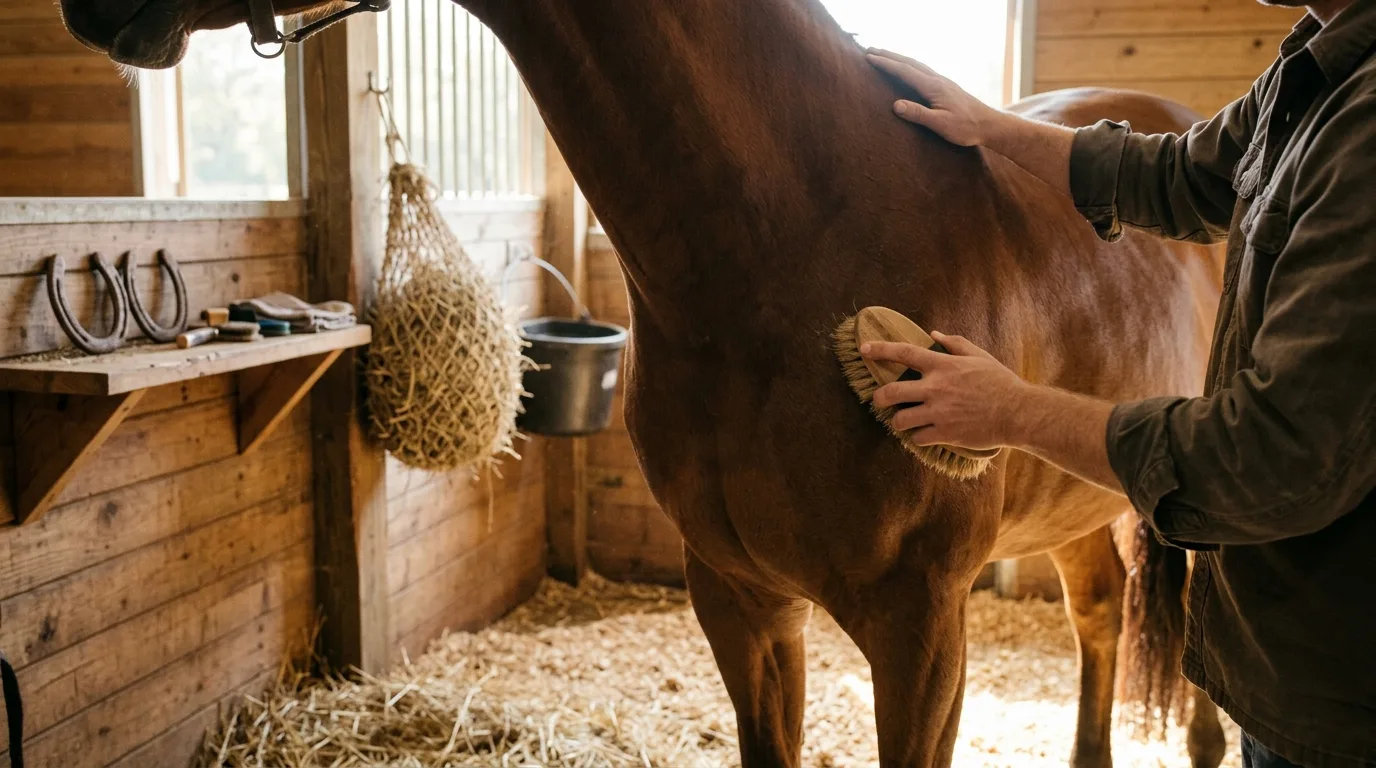
Owning and managing horses requires a deep dedication to their daily wellbeing, health, and comfort.
Whether you are an experienced equestrian or a newcomer to the stables, understanding the fundamental principles of equine management is vital.
Proper attention to nutrition, housing, hoof maintenance, and veterinary checks ensures a long, healthy life for your animal.
Table of Contents
Nutritional Requirements and Hydration
A balanced diet forms the foundation of good equine health. Horses require constant access to clean, fresh water, often consuming tens of litres daily depending on weather conditions.
- Forage and Pasture: High-quality grass and pasture provide the most natural source of fibre, supplemented by good hay during winter months.
- Concentrates: Grain or specialized pellets should be fed carefully to match the workload and energy output of the individual animal.
- Water Access: Check hydration levels regularly and ensure automatic waterers or troughs remain clean and unfrozen.
According to guidelines outlined by the Department of Primary Industries and Regional Development, monitoring your horse’s body condition score is critical to adjusting feed programs effectively throughout changing seasonal demands.
Hoof Maintenance and Protection
The adage “no foot, no horse” highlights the crucial nature of hoof care. Regular inspections prevent lameness and address environmental strain.
- Daily Cleaning: Use a hoof pick before and after every ride to remove packed mud, stones, and potential debris from the frog.
- Farrier Visits: Schedule professional trimmings or evaluations every six to eight weeks.
- Supportive Gear: Depending on terrain and workload, specialized equipment such as horseshoes may be fitted to protect against excessive wear and tear on rough ground.
Shelter and Environment
Providing a safe, comfortable environment protects horses from harsh elements, reducing the risk of illness or sudden weight loss.
Paddocks should feature proper fencing, adequate drainage, and natural or man-made shelter. Stables and shelters must be cleaned regularly to minimize ammonia buildup and control parasites.
To see a practical demonstration of proper grooming and daily maintenance routines, check out this Grooming Guide Video.
Discussion about this post