

Located in the heart of the North Texas Blackland Prairie, Plano’s weather means intense heat, erratic spring rainfall, and mild winters. This creates fertile conditions for a wide range of pest species. Each part of the city, right from the lawns of Prestonwood to the newer developments in West Plano, has unique pest problems. The rapid temperature swings dictate the migration patterns of common household pests.
Homeowners often assume that they can tackle seasonal spikes with DIY hacks, which is unfortunately untrue. You will need a professional service like Romneypestcontrol.com that understands Plano’s Blackland Prairie conditions. The Romney Pest Control team is k known for their expertise across neighborhood infestations. Below is a look at what problems you can expect in each season.
Table of Contents
Spring Emergence
As soil temperatures rise in spring, you can expect eastern subterranean termites to start their swarming cycle. In neighborhoods with mature trees, these colonies are particularly active in the damp soil near foundations. This is the same reason why odorous house ants and fire ants forage aggressively and expand colonies, often using plumbing gaps and foundation cracks to get inside homes, especially in Legacy and Willow Bend.
Summer Peak Heat
Extreme North Texas heat drives German and American cockroaches indoors in search of cooler environments. They are more likely to thrive in kitchens and bathrooms. Roaches can be a reason for allergies, which is why early remediation is necessary. The peak of summer is the prime nesting season for wasps and hornets. These insects make nests on the eaves of Plano homes. In areas where there is new development, you can expect displaced pests like crickets and spiders moving toward irrigated residential lawns and foundations searching for water and shade.
Fall Movement
When temperatures drop after summer, rodents, such as house mice and roof rats, leave industrial and commercial park areas and move inside homes. Stink bugs and lady beetles also start clustering on the south exterior walls, specifically targeting window frames to hibernate. The cooling air also pushes brown recluse and wolf spiders into homes, as they seek undisturbed zones in storage boxes and cluttered areas.
Winter Management
If you didn’t spend on exclusion in the fall, you will find pests inside your home, including cockroaches and silverfish, which thrive in wall voids. Rodents don’t hibernate but remain active inside homes, attacking wiring, insulation, and other stuff. Rodents are responsible for allergies and other issues, and if numbers grow, which eventually they will, you will have a tough time containing them.
Maintaining the Seasonal Shield
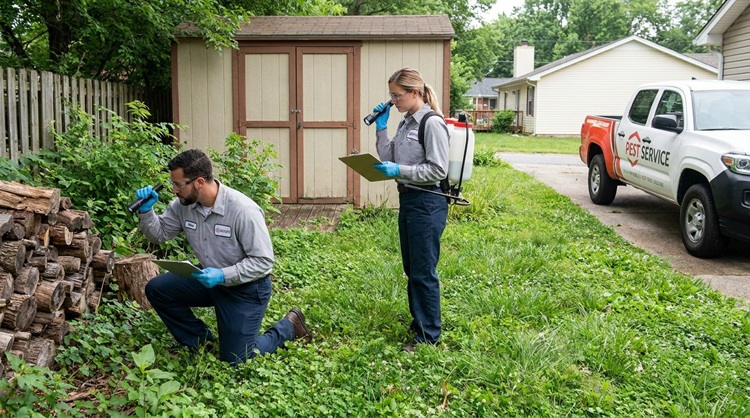
Because Plano’s climate fluctuates so significantly, it is pertinent to protect your home. Ongoing, quarterly services by professionals are necessary to adjust the work based on the pest window. Regular inspections of mulch beds and the yard are critical to ensure that these areas aren’t working as bridges for termites or ants. Experts can also identify other problems, such as gaps in exterior brickwork, and consider targeted interventions as and when required. You can consider ongoing plans, which cost 4x less than sudden infestation remediation. Technicians can come over for regular checks, and as required, they will always tweak their approach.
Takeaways
Pest problems in the city are defined by rapid development, intense heat, and seasonal moisture surges. DIY hacks and regular sprays fail because they address symptoms, not the causes and factors. Call a pest control company in Plano to check your home, and technicians can further guide you on the best habits. Instead of waiting for the next seasonal pest surge, let the experts design a customized protection plan. Don’t shy away from sharing what you have seen so far, including trends and surges. If your home is prone to certain species, experts can rethink their approach.

Discussion about this post